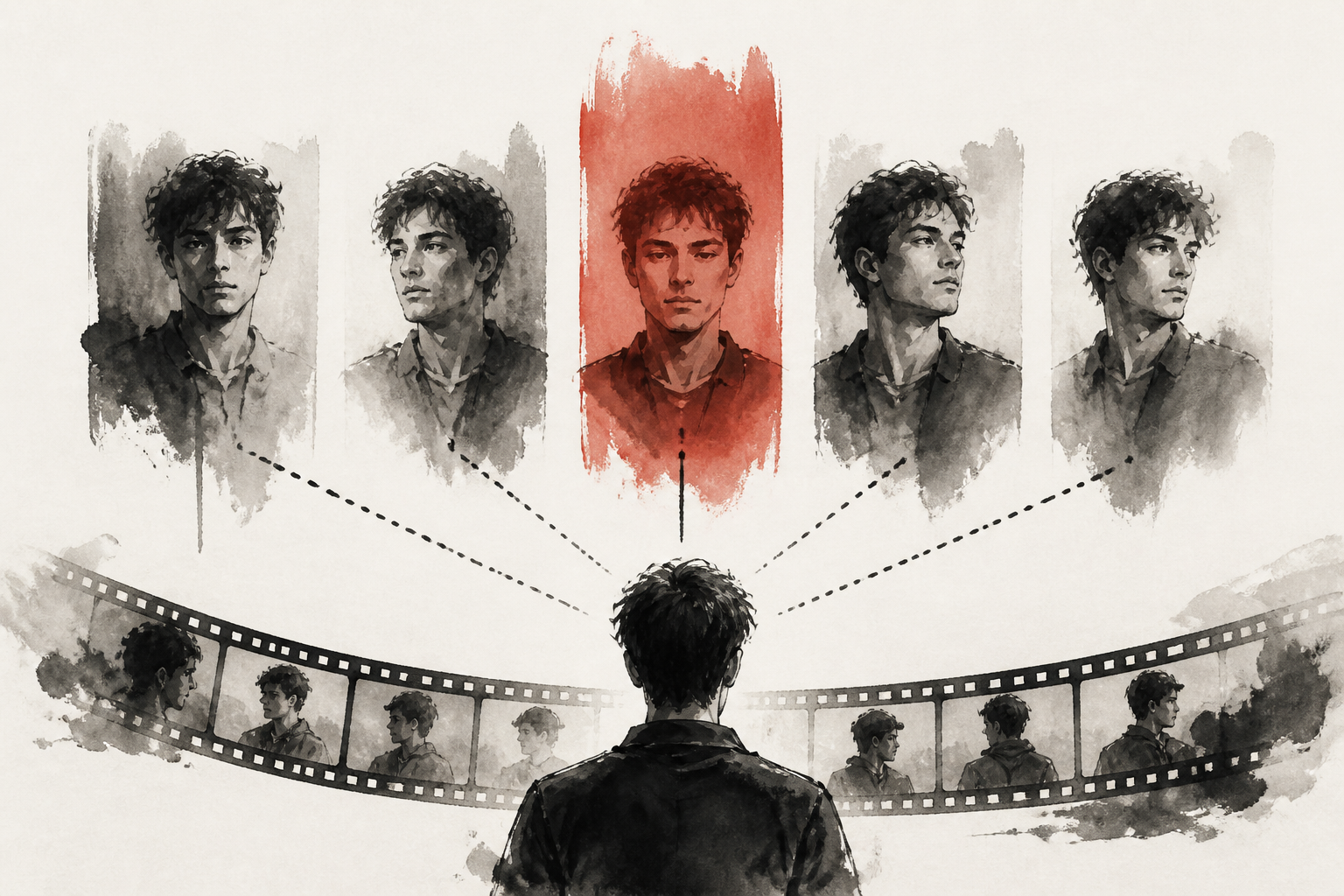
HeyGen has published a head-to-head comparison arguing that its avatar technology preserves a real person's identity in ways that leading image-generation models cannot, positioning footage-trained systems against prompt-driven ones. In a test using a single identical prompt across four image models, the company said Flux 2.0 pro, Seedream V5 and Kling V3 each produced a plausible but different person — a lookalike rather than the actual individual. HeyGen's argument is straightforward: its avatars are trained on real video of a person, whereas image models generate an approximation from a text description.
Continue reading
The rest of this article is for AI News Blitz readers. Choose an option below to keep reading.
Already purchased? Sign in✓ Signed in — this article isn’t included in your current plan.
Unlocking the full article...
Contact us
Questions, corrections, or ideas? Send us a message here. We aim to reply by email within 24 hours.
Thank you. Your message has been sent. We aim to reply by email within 24 hours.Please enter your email address and a message.We could not send your message. Please try again in a little while.